



 My account





How to Print on Heat Shrink Tubing
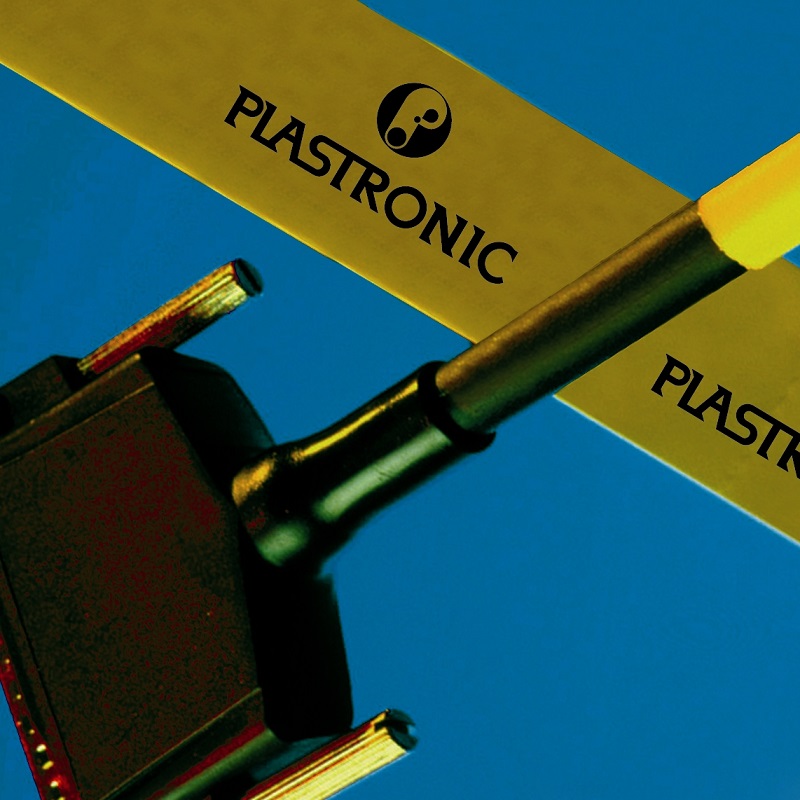
A Guide for Industrial, Automotive and Medical Applications
In industries where cable identification and organization are crucial, printing on heat shrink tubing is a game-changer. Whether you’re managing industrial machinery, designing automotive electrical systems, or developing cutting-edge medical devices, clear, durable labelling ensures compliance, efficiency and safety.
First, a quick overview…
- Direct printing onto heat shrink tubing – often continuous spools of flattened tubing which are then cut to length
- Printing onto precut heat shrink labels
- Printing onto non-shrink labels which are then attached to the tubing that has already been heat shrunk onto wires/cables etc
Printing solutions tend to consist of:
- Hardware & software: A label printer (or a printer with label printing capability) plus label printing app or label printing software
- Consumables: Printer ribbon/ink and labels
With the available range of high-quality heat shrink tubing and identification solutions, it is easier than ever to create custom-printed tubing for your specific needs. But how do you achieve the best results? Let’s dive into why printing on heat shrink matters, the available printing methods and best practices to ensure longevity and clarity.
Why Print on Heat Shrink Tubing?
Industrial Manufacturing (Production Managers & Engineers)
In industrial settings, machinery wiring is complex and errors in wiring identification can lead to costly downtime. Printed heat shrink tubing enables clear, permanent cable identification, reducing troubleshooting time and improving safety. Color-coded and barcoded tubing can streamline maintenance and prevent miswiring.
Automotive Engineering (Electrical Engineers & OEMs)
The automotive industry requires extreme durability from its labelling. Under-the-bonnet and interior wiring must withstand high temperatures, vibration and exposure to chemicals. High quality printed heat shrink tubing ensures that critical labels don’t fade or degrade over time, helping manufacturers meet stringent regulatory standards like ISO 16750-4 and SAE AMS-DTL-23053.
Medical Device Development (Product Developers & Compliance Teams)
Medical-grade heat shrink tubing must not only withstand sterilization processes but also meet FDA & CE compliance and the ISO10993 medical device biocompatibility standards. In applications like catheters, endoscopic tools and surgical equipment, clear, biocompatible labelling ensures safe and accurate identification. Permanent, high-contrast printing is essential for tracking and traceability in healthcare environments.
Methods for Printing on Heat Shrink Tubing
There are many reliable printing technologies available, each with its own benefits based on volume, durability and application requirements. Here we cover two of the most popular methods:
1. Thermal Transfer Printing (Best for Most Applications)
- Uses heat to transfer ink from a ribbon onto heat shrink tubing.
- Provides high-resolution, durable and smudge-resistant prints.
- Ideal for industrial, automotive and medical use due to chemical and abrasion resistance.
- Works well with heat shrinkable printable tubing options.
Best for: High-contrast labels, batch production and regulatory compliance.
2. Inkjet Printing (Best for High-Speed Production)
- Uses liquid ink to print directly onto tubing.
- Faster but less durable than thermal transfer.
- Suitable for high-volume production where labels are not exposed to extreme conditions.
Best for: Mass production of low-impact wiring labels.
Types of Printers for Heat Shrink Tubing
Choosing the right printer for your heat shrink tubing is essential for achieving high-quality, long-lasting results. Here are the most commonly used types:
1. Thermal Transfer Printers
- Designed specifically for printing on heat shrink tubing and cable labels.
- Uses resin-based thermal ribbons to create highly durable text and barcodes.
- Compatible with high-performance heat shrink tubing such as those available from PMG Company.
- Examples include TE Connectivity (Tyco) and CAB label printers.
2. Inkjet Printers
- Can be used for high-speed industrial production where mass labelling is required.
- Less durable than thermal transfer but cost-effective for low-risk applications.
- Typically used for temporary or non-critical cable labelling.
3. Portable Handheld Printers
- Ideal for on-site printing where quick identification labels are needed.
- Commonly used in electrical installations and field repairs.
- Models from Brother, DYMO and Brady are widely used in industrial settings.
4. Desktop Industrial Printers
- Best for high-volume production environments where precision and reliability are required.
- Can handle various tubing sizes and custom font styles for specific industry needs.
- Used by manufacturing facilities, automotive plants and aerospace applications.
- Examples include TE Connectivity (Tyco) and CAB label printers.
Key Considerations for Durable Prints
No matter the industry, ensuring print clarity and longevity is crucial. Here’s what to keep in mind:
1. Choosing the Right Tubing Material
- Industrial & Automotive: Use heat-resistant and chemical-resistant tubing (e.g., DR-25).
- Medical: Choose medical grade tubing like MT1000 for compliance.
2. Matching the Printing Method to the Application
- Thermal transfer for most industrial, automotive and medical-grade tubing.
- Inkjet for low-cost, high-speed labelling where longevity is not critical.
3. Ensuring Proper Adhesion & Contrast
- Use white, yellow or other light-coloured tubing for high contrast when using black or dark ink.
- Pre-treat tubing surfaces (e.g., cleaning with isopropyl alcohol) before printing to enhance adhesion.
4. Compliance with Industry Standards
- Automotive: SAE AMS-DTL-23053
- Medical: FDA & CE requirements
- Industrial: IEC and UL-rated materials
Best Practices for High-Quality Heat Shrink Printing
- Select the right tubing – Match heat shrink materials with your industry’s durability needs.
- Use compatible ribbons or inks – For thermal transfer, choose resin-based ribbons for maximum durability.
- Ensure correct heat shrink ratios – Common ratios like 2:1, 3:1, or 4:1 affect how text shrinks post-heating.
- Test before mass production – Always print, shrink and verify legibility before applying at scale.
- Store properly – Keep printed tubing in dry, controlled environments to prevent ink degradation.
Conclusion
Printing on heat shrink tubing is a critical step in cable management, safety and compliance across industrial, automotive and medical sectors. Whether you’re using thermal transfer or inkjet printing, selecting the right tubing, printer and print method ensures clear, durable and regulatory-compliant labels.
With PMG Company’s diverse range of heat shrink tubing and printing solutions, professionals can achieve high-quality, long-lasting results tailored to their industry’s needs.
Need help selecting the right heat shrink and printing method? Check out PMG Company’s range of heat shrink tubing or contact our team for expert advice.
